 Share to X
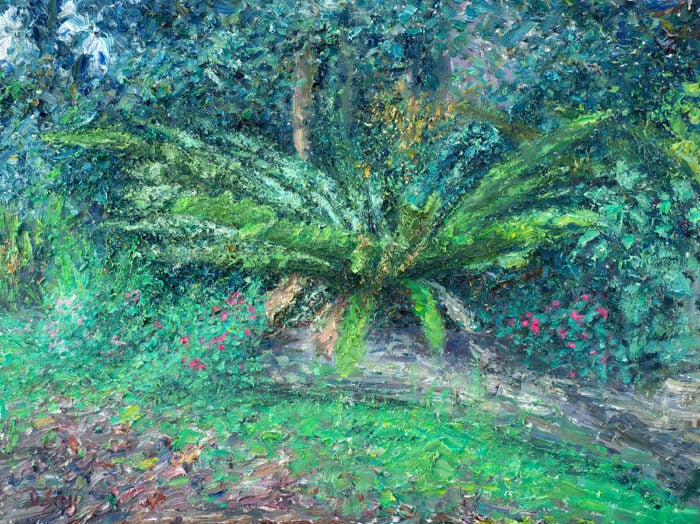
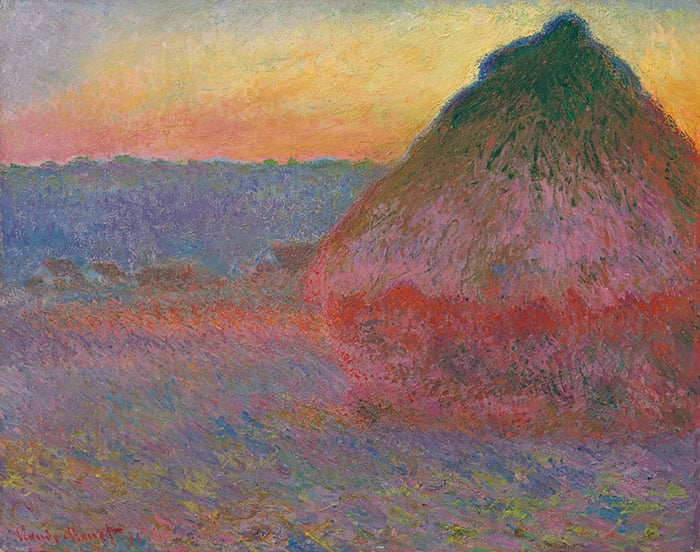
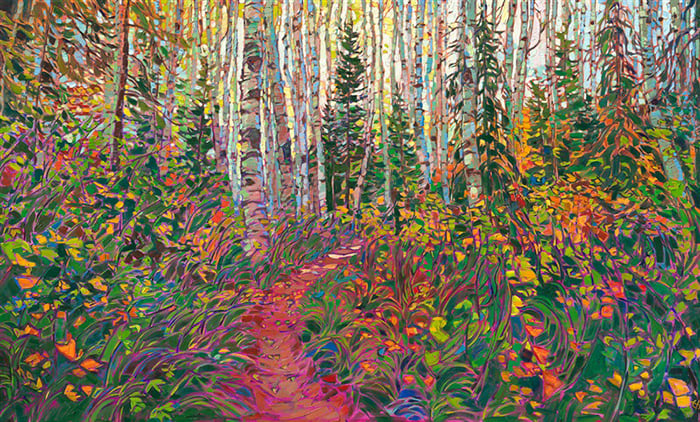
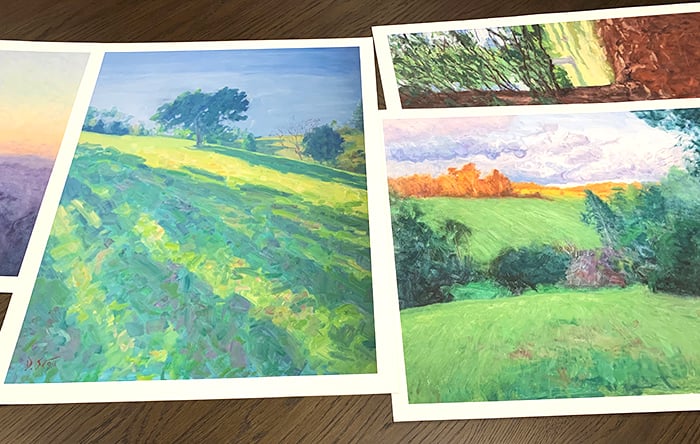
I often harp on about simplification and doing more with less. But there are times when you should focus on the tiny details and push the complexity.
If you oversimplify the subject, you may fail to capture its true character and personality.
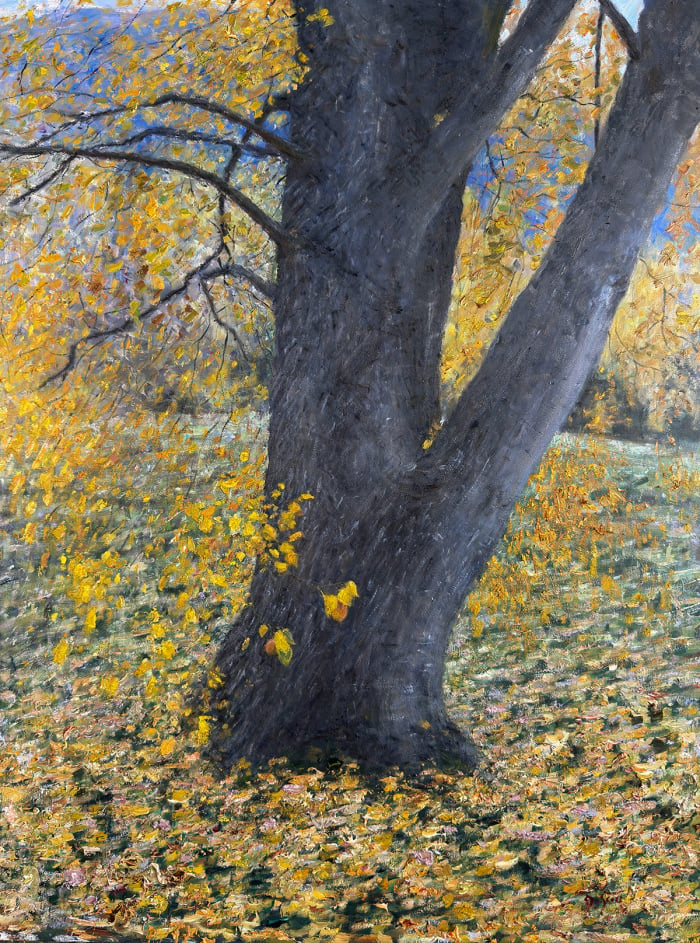
I noticed this with many of the student submissions for our Tree Workshop. Students have been great at simplifying the subject and tuning out the noise. Perhaps too good! My suggestion to many students has been to add that 10% of detail and complexity at the end to really bring it home.
The question then becomes, what details to add?
You must think about the few details that really characterize the subject and drive most of the realism. When painting a tree, there may be a few intricate twigs and branches, or a few leaves that are catching light and stand out from the mass. When painting a portrait, it may be a few distinct strands of hair or details around their lips, nose, or eyes. When painting a seascape, it may be where a wave is breaking and water is splashing up. You get the idea.
Simplification is not so much about ignoring the tiny details. It’s more about being selective. The tiny details matter, but you must know when to focus on them. And they should not come at the expense of the big, fundamental shapes and structure.
Too much simplification and structure – your painting will appear realistic, but perhaps a bit flat and without personality. It will look like you got to 90% but then stopped.
Too much detail and complexity – your painting will appear cluttered and noisy and without focus.
You must find that balance somewhere in between.
Also, only one day left to join the 30-Day Creativity Kickstart at a reduced price.
Happy painting!

Dan Scott
Draw Paint Academy
PS. If you are going through the Tree Workshop, I am still making my way through the critiques. It is just taking a while as I want to provide good feedback rather than fast feedback.